
Engineering Research and the Difference It Makes
The real measure of engineering research is what it changes. At Case Western Reserve University, faculty have built a point-of-care diagnostic now used in 30 countries. They've developed neural-interface technology that restores the sense of touch. They've created imaging methods that reveal how a healthy heart rhythm goes wrong. This page is about that work: what Case School of Engineering's researchers build and where it lands.
From the Lab to the Clinic
Much of CWRU's engineering research aims squarely at human health, and the program structure reflects it. The online MS in Biomedical Engineering is a joint venture between Case School of Engineering and the Case Western Reserve University School of Medicine, built to move ideas from bench to bedside.
The faculty doing that work include:
- Umut Gurkan, PhD, whose point-of-care diagnostic technology has delivered more than 500,000 tests to infants in Africa and India and is estimated to have saved thousands of lives
- Dustin Tyler, PhD, whose Functional Neural Interface Lab develops technology that restores the sense of touch to people who've lost limbs
- Horst von Recum, PhD, whose affinity-based drug-delivery research targets HIV, cancer and device infection
- Stephen Fening, PhD, who directs the Case-Coulter Translational Research Partnership, a program that exists for a single purpose: moving biomedical technology out of the lab and toward the patients who need it
From Research to Industry
CWRU engineering research also lands in industry, often in the kind of work that keeps planes flying, plants running and energy flowing.
- Steve Hostler, PhD spent eight years building CO2-based heat engines that turn industrial waste heat into electricity, work that produced seven patents, and now researches thermal management materials at CWRU
- Roger Quinn, PhD has directed the CWRU Biorobotics Laboratory since 1990, building robots based on biological principles and earning 10 patents along the way
- The modeling work of Bo Li, PhD's on the additive manufacturing of metals earned a National Science Foundation CAREER Award
This is research with direct industrial application, and it doesn't happen in isolation. Case School of Engineering maintains more than 270 active partnerships with companies and institutions, many in the Cleveland industrial base that has anchored American engineering for more than a century. Industry problems flow into those labs and the solutions flow back out.
The Scale Behind the Work
None of this runs on goodwill. Case Western Reserve University draws more than $600 million in research funding a year: money that pays for the labs, the equipment and the collaborations behind the work above. The Department of Biomedical Engineering alone, one of the oldest in the world since its 1968 founding, is associated with more than 20 research centers and tens of millions of dollars in active grants. That's a level of research capacity most online engineering programs can't match.
What This Means When You Enroll
Here's why it matters to you, studying online. The faculty running these labs are the same people teaching your courses, and their research is the reason the curriculum reflects where engineering is now, not where it was a decade ago. The case studies, the examples, the judgment calls you'll work through come from people actively solving these problems.
You won't be running a lab from your laptop, but if research is one of your motivators, this is the place for you. An admissions outreach advisor can walk you through what's possible.
A Significant Tuition Reduction for Every Qualified Applicant
Every qualified new applicant to the online Master of Engineering program receives a tuition reduction of more than $28,000, bringing total program tuition to $39,000. CWRU alumni receive an additional scholarship. Employer reimbursement, federal aid and veterans' benefits can work to your advantage, as well.
Need more info? We’ve got you covered.
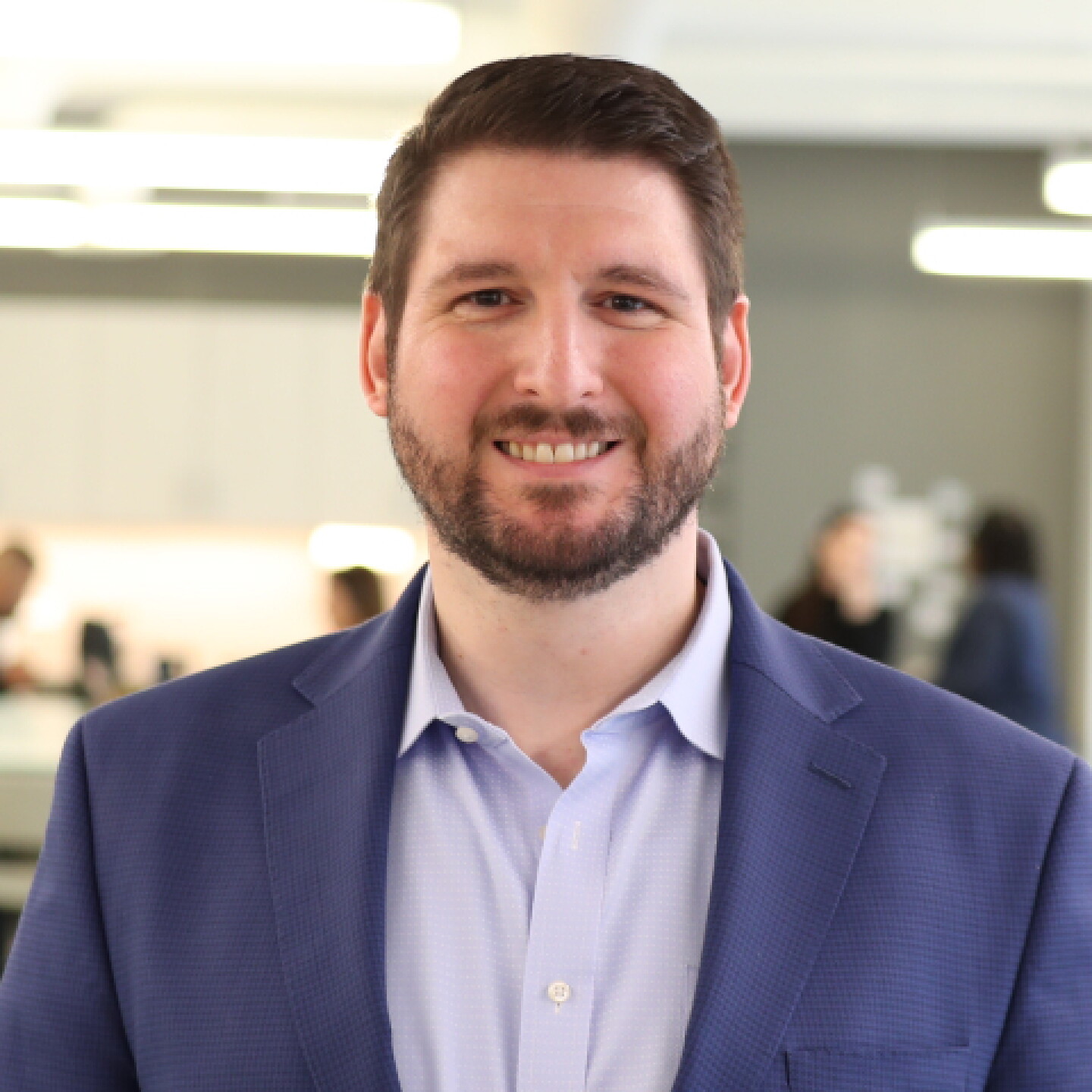
There’s a lot to know about the online programs in Case School of Engineering, and you’re bound to have questions. We’re here to help. For information and support, schedule a call with Brad: He’s a knowledgeable, friendly admissions outreach advisor who’ll make sure you get all the answers.